WIP 1500 1026
Mnogo ugljenih hidrata u hrani = mnogo VLDL
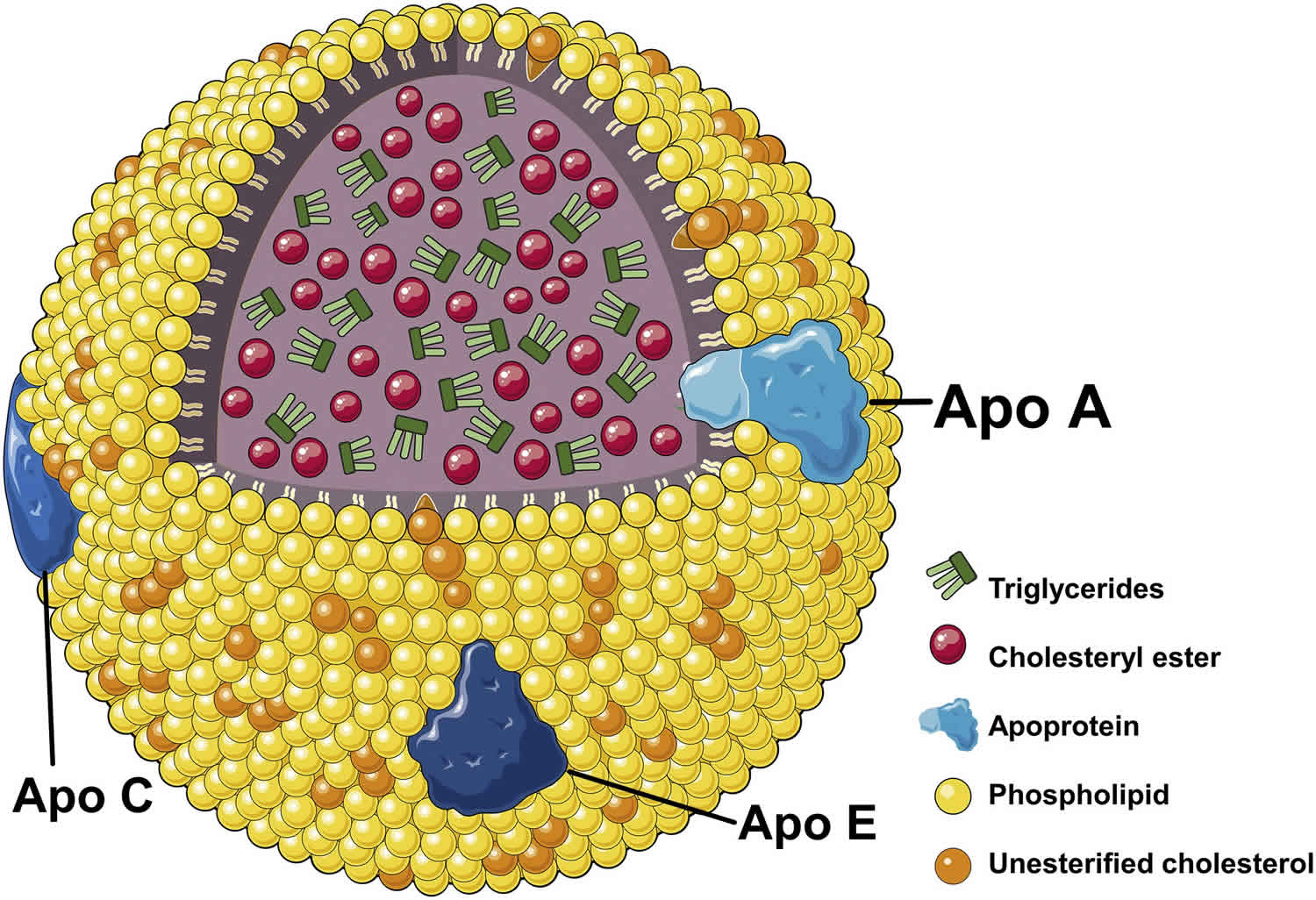
After triglycerides from very-low-density lipoproteins (VLDL) are absorbed into adipose tissue, the VLDL particles undergo structural and compositional changes that transform them into cholesterol-rich remnants. Step 1: Triglyceride Hydrolysis When VLDL particles reach capillaries in adipose and muscle tissue, lipoprotein lipase (LPL) acts on their triglyceride core, releasing free fatty acids. These fatty acids then diffuse into adipocytes, where they are re-esterified into triglycerides for storage. Step 2: Formation of Cholesterol-Enriched Remnants (IDL) As triglycerides are depleted, the VLDL outer shell retains its cholesterol molecules, which become a proportionally larger part of the particle. The particle now becomes an intermediate-density lipoprotein (IDL), characterized by higher cholesterol ester content and reduced triglyceride levels. Step 3: Conversion to LDL or Hepatic Uptake About half of these IDL particles are absorbed back into the liver through apolipoprotein E–mediated receptor binding. The rest continue circulating, losing additional triglycerides via hepatic lipase activity. The remaining cholesterol esters predominate, yielding low-density lipoprotein (LDL) particles that serve as the body’s main cholesterol transporters. Step 4: Final Fate of Cholesterol